01
1983 memo · 1993 litigation · CaliforniaDisputed allegation · settled case
The memo State Farm acknowledged. The “Jewish lawyers” allegation it denied.
Contemporaneous Los Angeles Times reporting described a 1983 State Farm memo listing 161 Los Angeles-area lawyers and directing handlers to route their claims to a fraud unit rather than settle them. Attorney Erwin Sobel alleged that 123 of the 161 lawyers were Jewish and that religion explained the targeting. State Farm acknowledged the memo was authentic but denied religion played any role, saying the names were selected because of claim volume.
In related litigation, four former insureds alleged religious and national-origin discrimination in the handling of a claim. State Farm paid $30 million to settle that case in 1993 during the fourth month of trial. A later California appellate opinion records the settlement; it did not decide whether the discrimination allegations were true.
02
2004–2018 · IllinoisSettled before trial
Did State Farm “buy” a justice? That was the allegation—not a court finding.
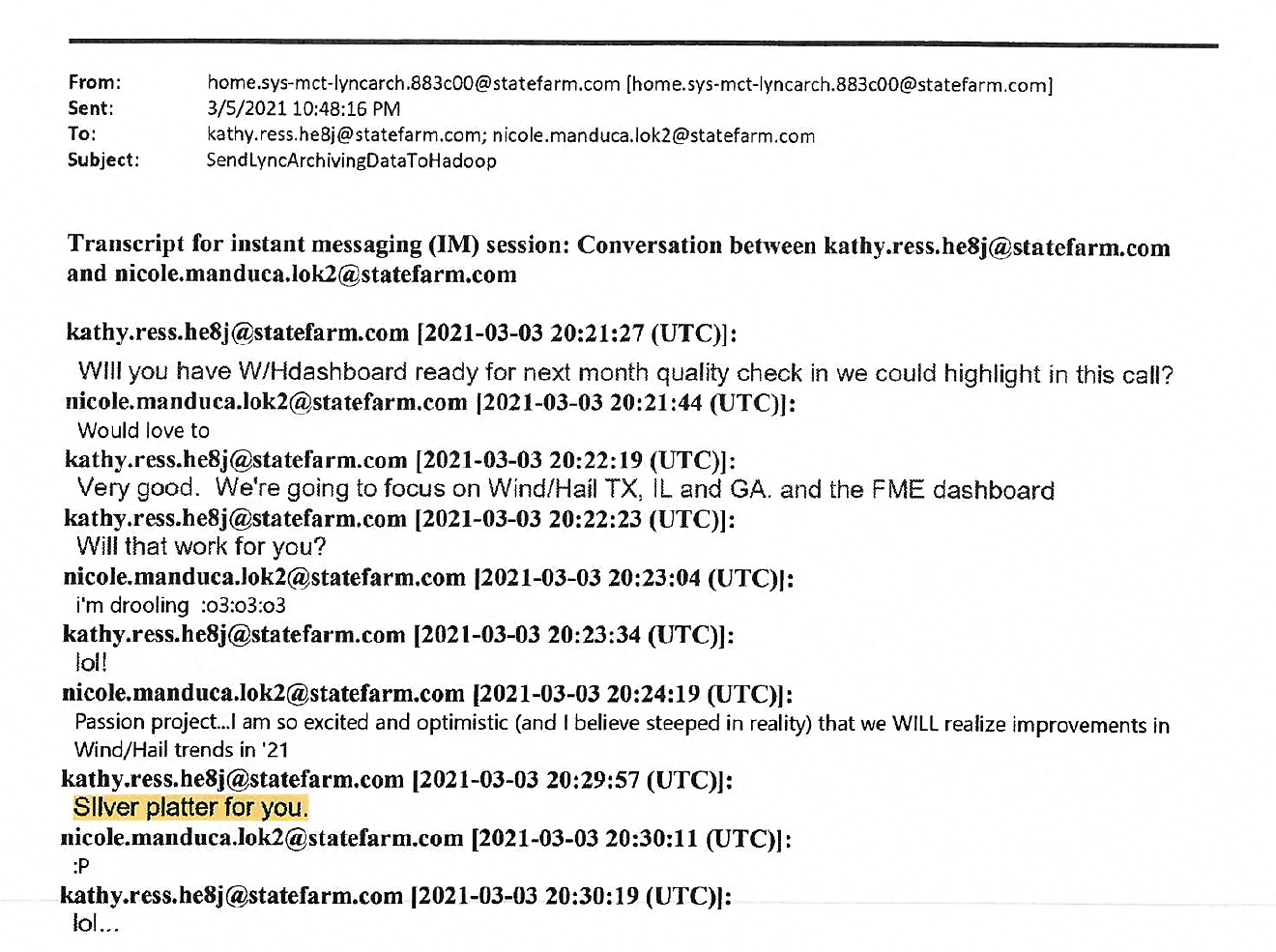
In Hale, policyholders alleged that State Farm and its co-defendants secretly recruited and supported Lloyd Karmeier’s 2004 Illinois Supreme Court campaign, routing millions of dollars through intermediary groups while State Farm’s appeal in Averywas pending. Justice Karmeier later participated in the court’s August 18, 2005 decision reversing the $1.056 billion judgment. State Farm denied wrongdoing and called the claims meritless.
State Farm settled Hale for $250 million on September 4, 2018, before opening statements. Final approval followed that December. The allegations were never tried to a verdict, the settlement was not a finding that State Farm bought a justice, and Justice Karmeier was not a defendant in Hale.
03
2005–2022 · Mississippi · KatrinaJury finding + later settlement
The wind was private. The flood bill was federal.
After Hurricane Katrina, Cori and Kerri Rigsby—adjusters for a State Farm contractor—alleged State Farm shifted wind losses payable under its homeowners policies onto the federal flood program. In the McIntosh claim, the Fifth Circuit recounted evidence that an engineer’s wind-primary report was withheld from the flood file and marked “DO NOT discuss,” while a second report blamed water.
In 2013, a federal jury found State Farm knowingly submitted a false $250,000 flood claim and used a false record. Trebled damages and a civil penalty totaled $758,250, and the Fifth Circuit affirmed the verdict-related rulings. The Supreme Court later decided only that a seal violation did not require dismissal; it did not decide the fraud merits. In 2022, State Farm agreed to pay the United States $100 million to resolve remaining potential liability. The jury’s merits finding concerned one home; the broader allegations ended in settlement.
04
1981–2004 · UtahBad-faith finding
“Put up the for-sale sign.”
Two injured parties offered to settle for State Farm’s $50,000 per-accident policy limit. The U.S. Supreme Court later recounted that State Farm declined, ignored its investigator’s advice, and assured the Campbells their assets were safe. A jury then entered a $185,849 judgment. State Farm initially refused to cover the $135,849 above its limits, and its lawyer suggested putting “for sale” signs on their property. State Farm later paid the full judgment.
A Utah jury later found State Farm’s refusal to settle unreasonable and in bad faith, awarding $2.6 million compensatory and $145 million punitive damages. The Supreme Court held the punitive award constitutionally excessive because it punished dissimilar and out-of-state conduct; it did not erase the bad-faith finding. Utah ultimately set punitive damages at $9,018,780.75.
05
2025–2026 · California wildfiresNow playing · enforcement pending
398 violations. 220 files.
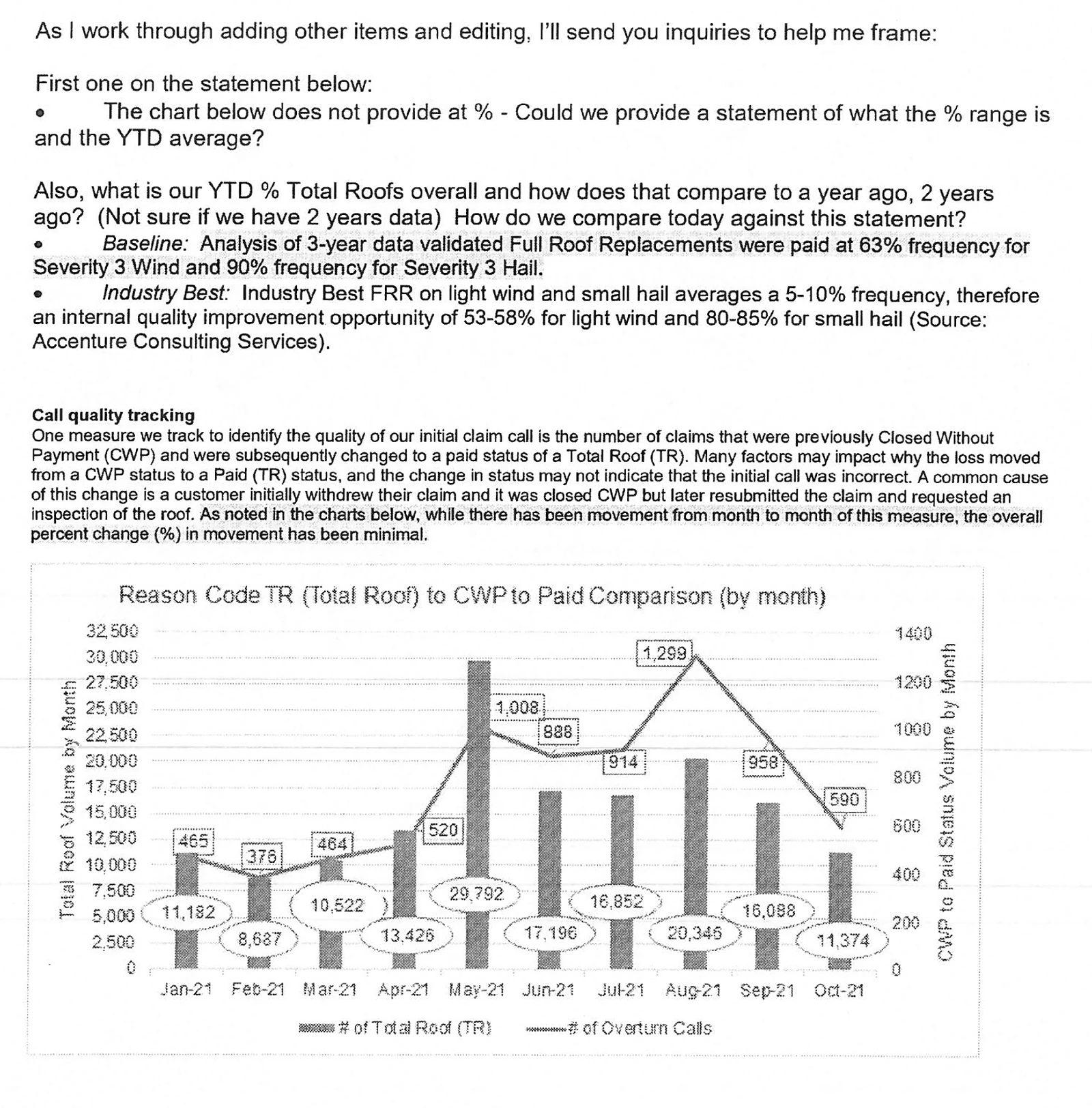
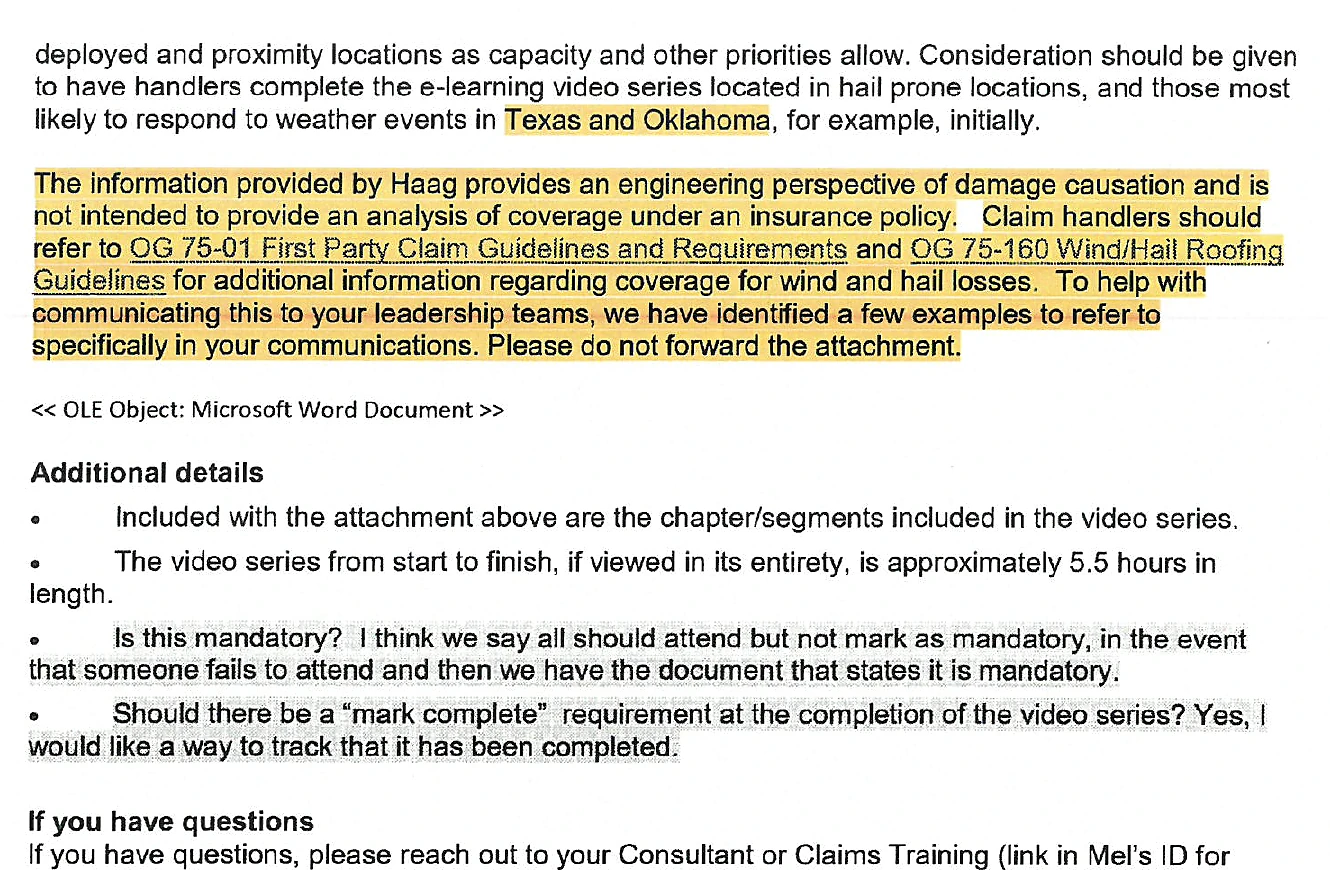
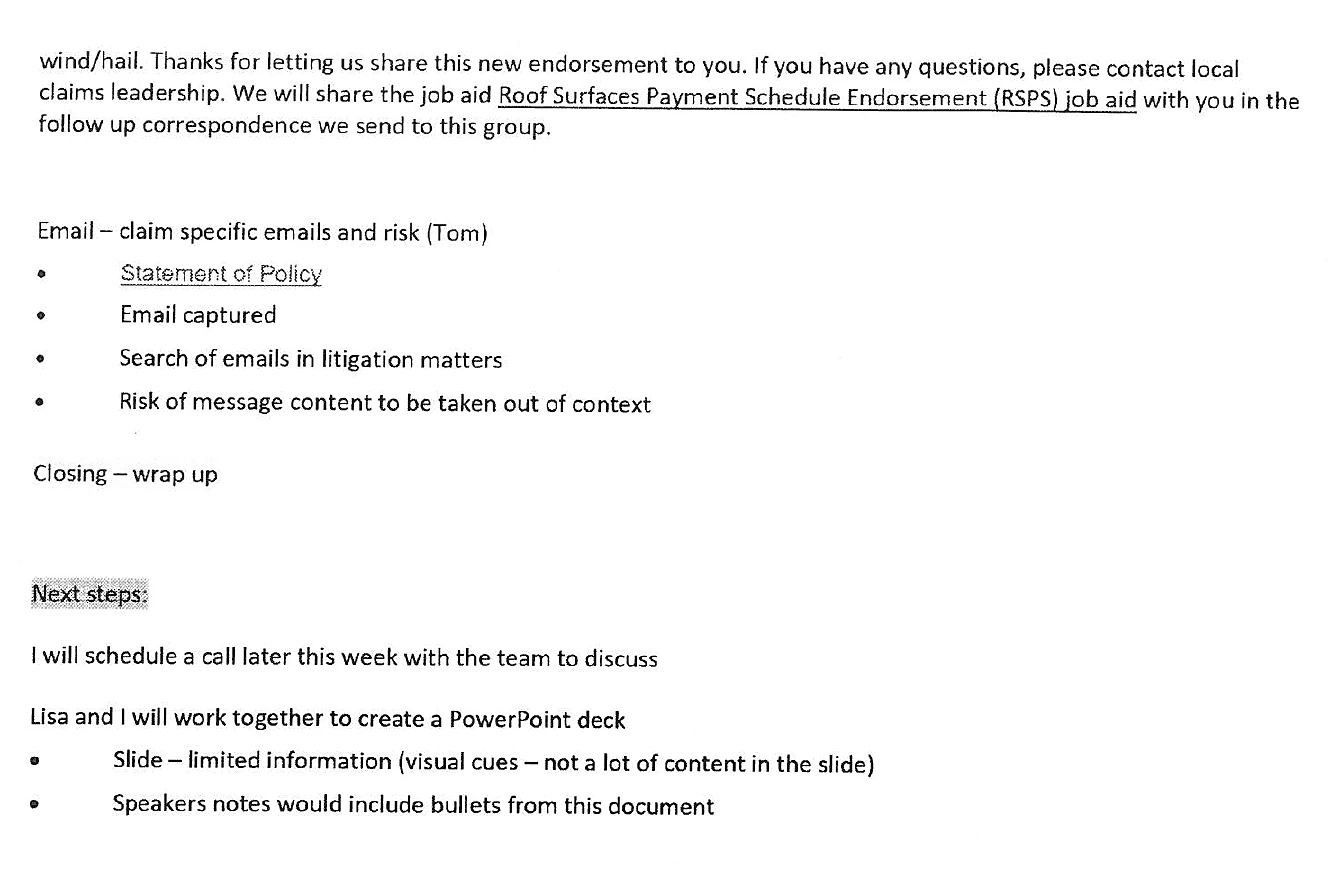
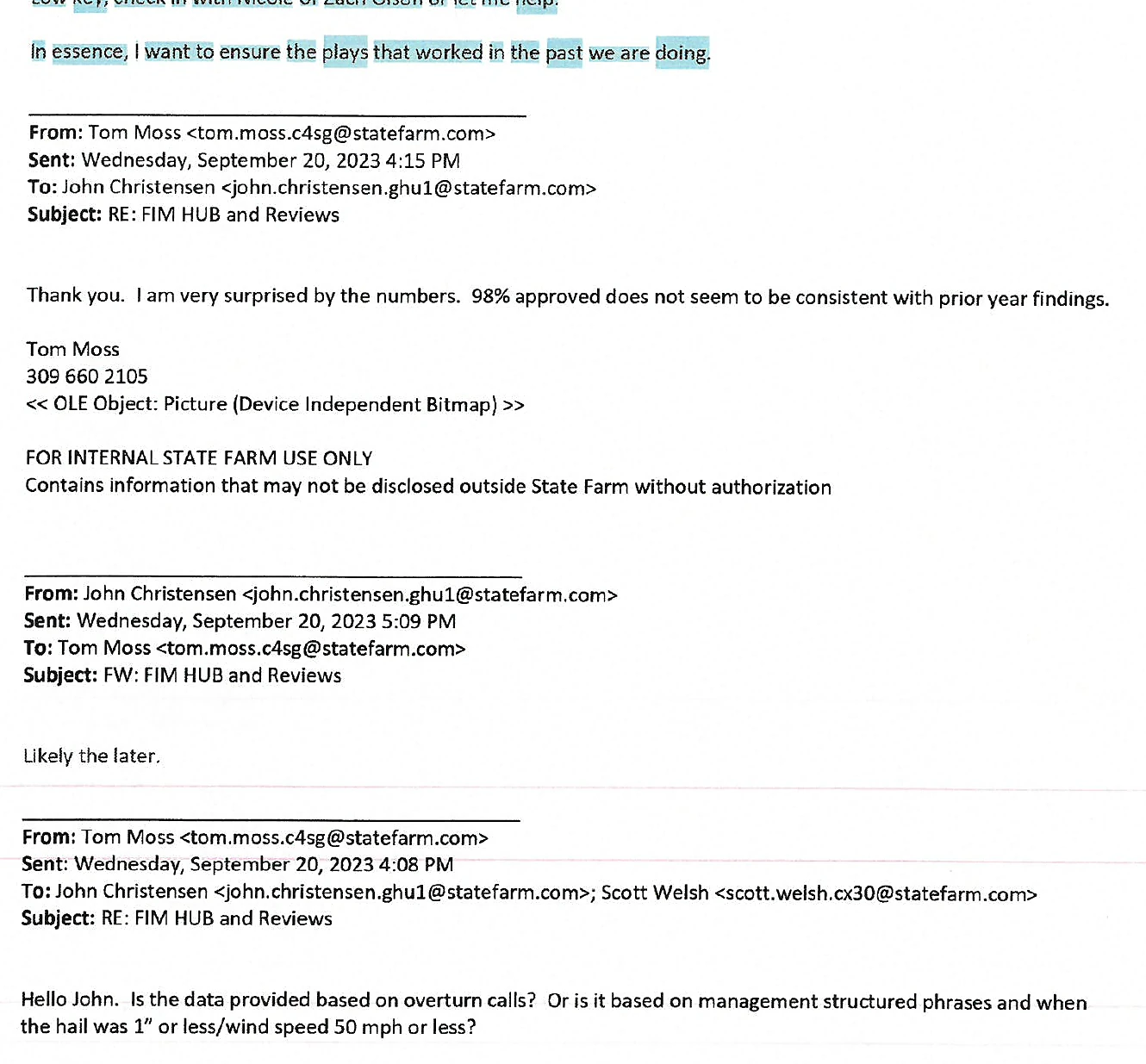
In May 2026, the California Department of Insurance announced that its expedited market-conduct examination found 398 violations of state law in 114 of 220 sampled State Farm wildfire claims. The Department identified delayed investigations, unreasonably low settlement offers, underpayments, repeated adjuster reassignment, smoke-damage problems, and inadequate communications.
The Department filed an accusation and order to show cause seeking penalties and corrective action. That administrative case remains pending, so the allegations have not been reduced to a final adjudication. State Farm denies any general practice of mishandling or intentionally underpaying wildfire claims and says it has paid more than $6.2 billion arising from the fires.
06
2024 · MontanaRegulator consent agreement
18,000 claims later.
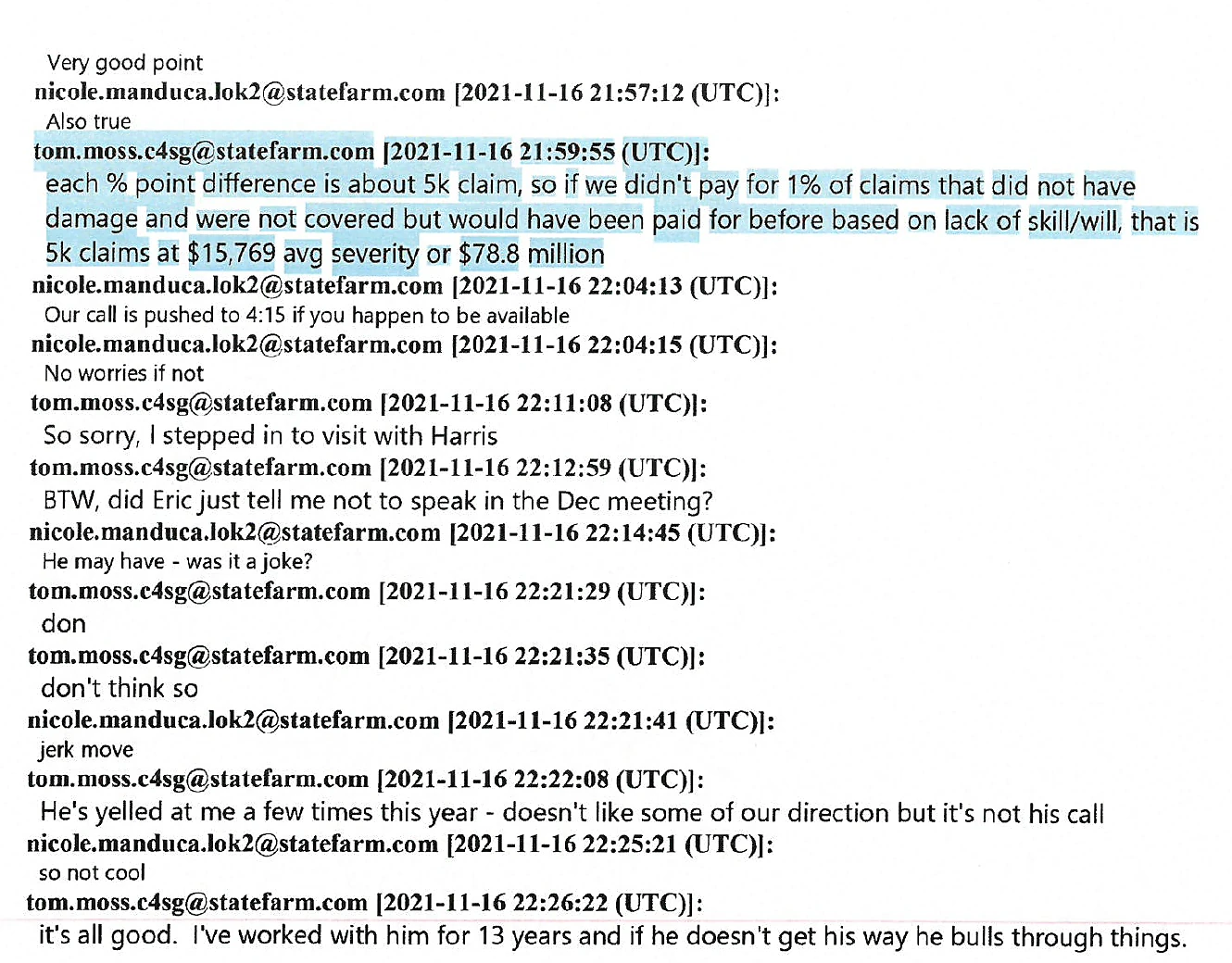
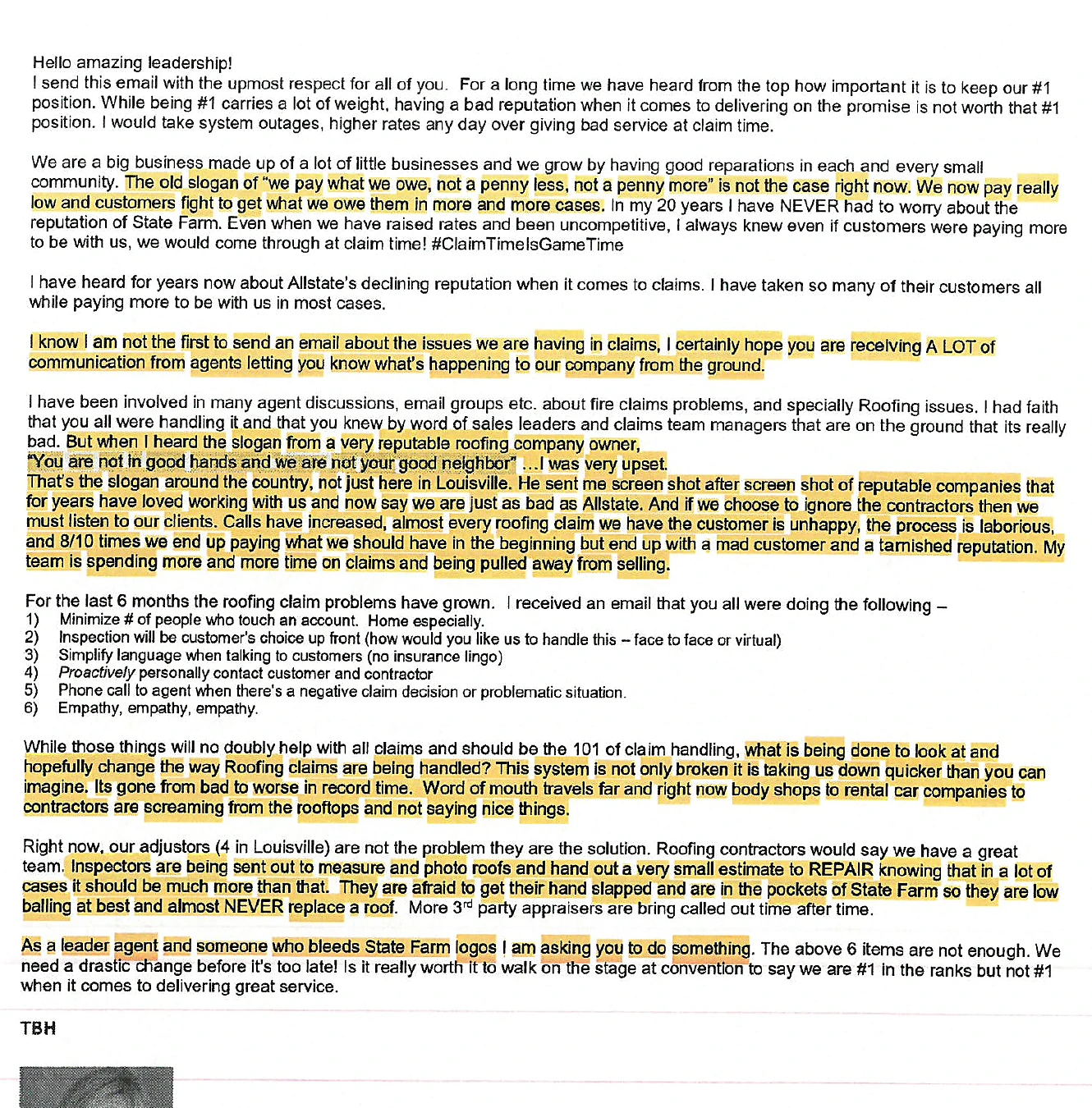
Following a two-year examination of auto-claim practices, State Farm entered a February 2024 consent agreement with Montana’s insurance regulator. The agreement imposed a $2 million fine and another $2 million suspended pending satisfactory corrective action for unfair claims-settlement practices.
State Farm then reviewed approximately 18,000 claims. Montana’s regulator reported that the review produced another $5.2 million for consumers affected by improper handling of comparative-negligence and loss-of-use payments. This was an administrative resolution, not a civil jury verdict.
07
2011–2022 · AlabamaDeep cut · class settlement
Labor doesn’t age. So why depreciate it?
Alabama policyholders alleged State Farm breached structural-damage policies by depreciating estimated labor and other nonmaterial costs when calculating actual cash value payments. The proposed class covered qualifying structural claims with losses from March 2011 through August 2017.
A federal court granted final approval in October 2022. The settlement provided qualifying class members specified nonmaterial-depreciation payments, portions of general-contractor overhead-and-profit depreciation, and interest. State Farm denied underpaying claims and did not admit wrongdoing.
08
1994–1996 · National underwritingDeep cut · HUD conciliation
Redlining, but make it underwriting.
Fair-housing testing led to complaints alleging that State Farm homeowners-insurance underwriting rules restricted coverage in minority neighborhoods. State Farm resolved the complaints through a 1996 HUD conciliation agreement without admitting wrongdoing.
The agreement changed underwriting practices nationally, including eliminating certain maximum-home-age and minimum-value rules, limiting credit-report use, reducing subjective criteria, encouraging full replacement-cost coverage, and adding urban sales and service commitments. It was a negotiated settlement—not an adjudicated discrimination finding.